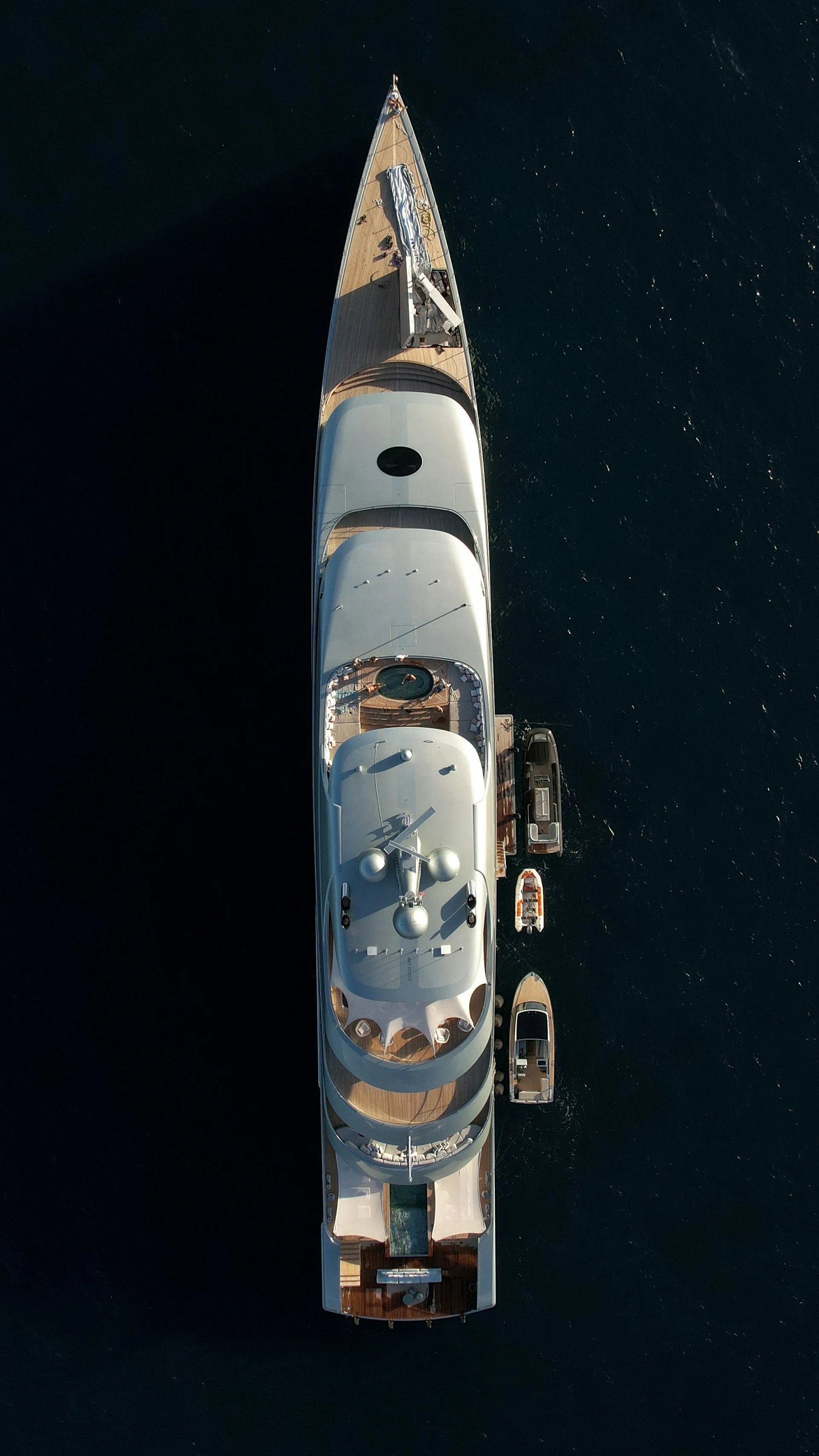
Size matters
Think there’s no difference between a 499 GT yacht and one that’s 501 GT? Here’s why two seemingly similar yachts have a difference that can cost you millions.
Crossing specific gross tonnage thresholds will trigger a large jump in regulations, construction costs, and staffing requirements once your new build is on the water.
For an owner, a yacht under 500 GT is much easier to sell later. Because the operating costs are lower and the crew requirements are simpler, there is a much larger market of buyers who can afford to run it. A 501 GT yacht is significantly more expensive to keep on the water than a 499 GT yacht, even if they look identical from the outside.
Here, we breakdown the classifications, their benefits; and where you’ll see savings.
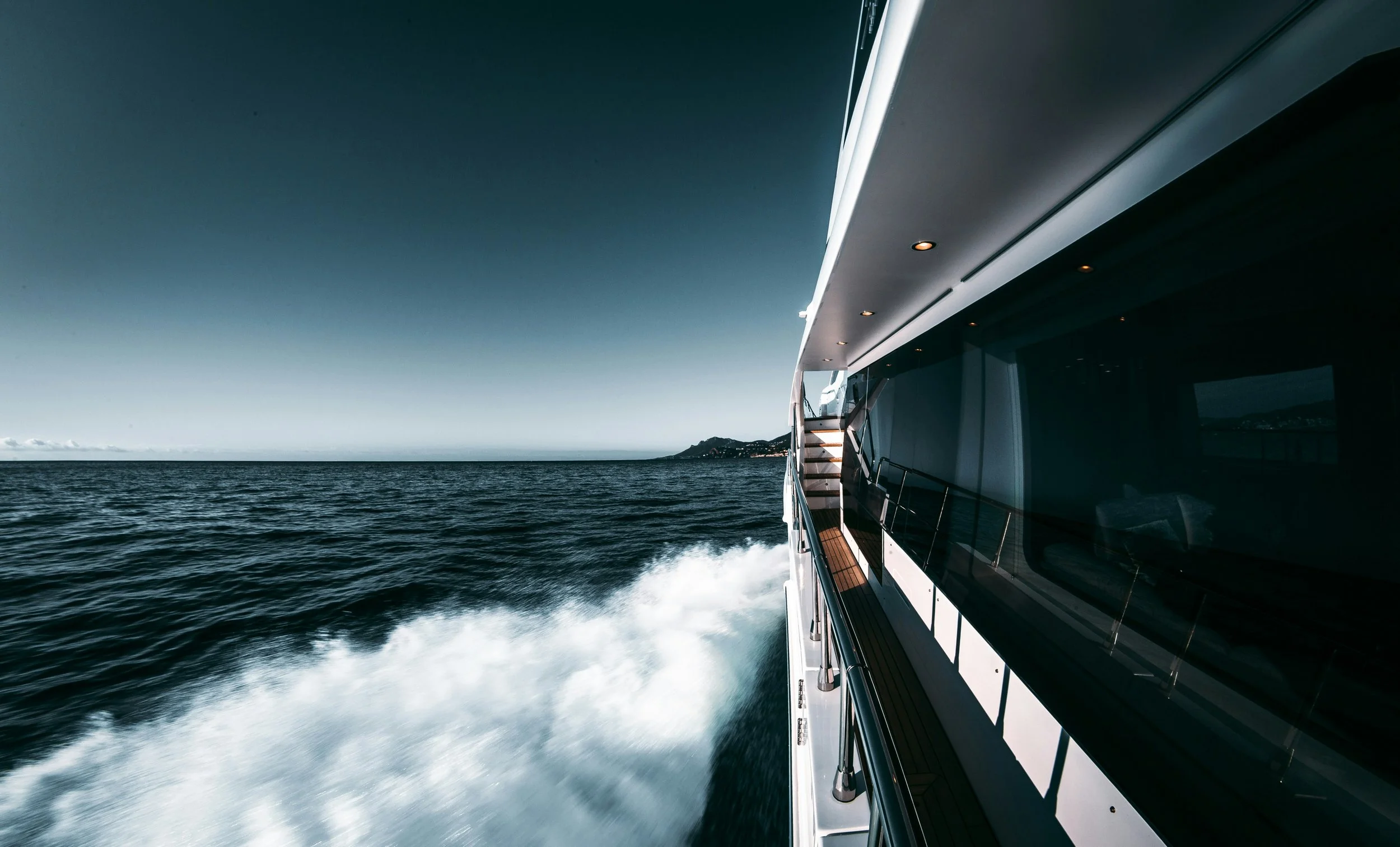
1. The Sweet Spot:
Under 500 GT
This is the most popular threshold in the industry and where you’ll see plenty of yachts advertised on both the new build and secondhand brokerage markets. Owners choose to stay under this limit primarily to avoid the SOLAS (Safety of Life at Sea) and ISM (International Safety Management) mandates that apply to ships.
Why choose under 500 GT?
Lower construction costs: Once you hit 500 GT, you must include heavy structural fire protection, an emergency generator (which takes up prime real estate), and specialized rescue boat davits. Building sub-500 can save up to 25 to 30 per cent in construction costs.
Easier berthing: A yacht under 500 GT will usually sit at about 45-55 metres long. In this size bracket, there are plenty of ports available to you; from the well-developed marinas of the Mediterranean to the remote islands of the Pacific. This size range can enter channels, harbours and bays that many larger yachts are just too big to explore without offloading guests to their tenders.
Crew flexibility: The requirements for a Master 500GT license are less strenuous than higher grades. This gives the owner a wider pool of captains and crew to choose from.
Less red tape: You avoid the need for a full Safety Management System (SMS) and the rigorous annual audits required for larger vessels.
2. The Mid-Range:
Under 3,000 GT
Yachts in this category typically range from 60 to 90 metres and offer the massive volume needed for helipads, indoor gyms, and expansive beach clubs, but they still operate under the Large Yacht Code (LYC) rather than full commercial ship standards.
The LYC Advantage: Codes like the REG (Red Ensign Group) Yacht Code allow these vessels to carry up to 12 passengers without being classified as a passenger ship (like a cruise liner).
Operational barrier: Over 3,000 GT, the vessel is legally treated as a ship. The captain and officers must hold 3000GT licenses, and the ship must comply with the MLC (Maritime Labour Convention) in a much more rigid way regarding crew living spaces and hours of rest.
Crew costs: For an owner, this size range can translate to higher crew costs, covering both the number of crew needed onboard as well as the higher salaries commanded by captains and officers who have completed the sea time, training and ancillary courses necessary to hold a Master 3000 GT license.
Refit costs: Like their smaller cousins, superyachts in this bracket are subject to five year special surveys. This encompasses a major haul out and survey to inspect the hull, rudders, shafts, and through-hull valves. While this is an expensive exercise for any yacht, for yachts up to 3000 GT, mandatory compliance with SOLAS and ISM/ISPS, and mandatory classification with a Recognized Organization (RO) throughout the refit to maintain compliance, can mean these periods require significant expenditure. A five year survey on a yacht under 3000GT might take three to six months, compared to six to 10 weeks on a yacht under 500GT.
3. The Giants
Over 3,000 GT
When an owner builds over 3,000 GT, build, operational and regulatory costs are at the top of the industry. Expect to pay more for every aspect of the vessel, including build and materials, haul out costs, surveys and regulations, crew costs, and shore support.
Passenger Capacity: This is often the threshold where owners move to the Passenger Yacht Code (PYC), allowing them to carry 13 to 36+ guests.
Complexity: These yachts require a full-time management company and a highly specialized crew of 30 to 100+ people.