Christmas Island red crab migration 2026: dates and where to see it
Once a year, a quarter moon calls up to 50 million red crabs to the sea. Here's when to be there, where to stand, and how to reach one of the most remote islands in the Indian Ocean.
When is the red crab migration?
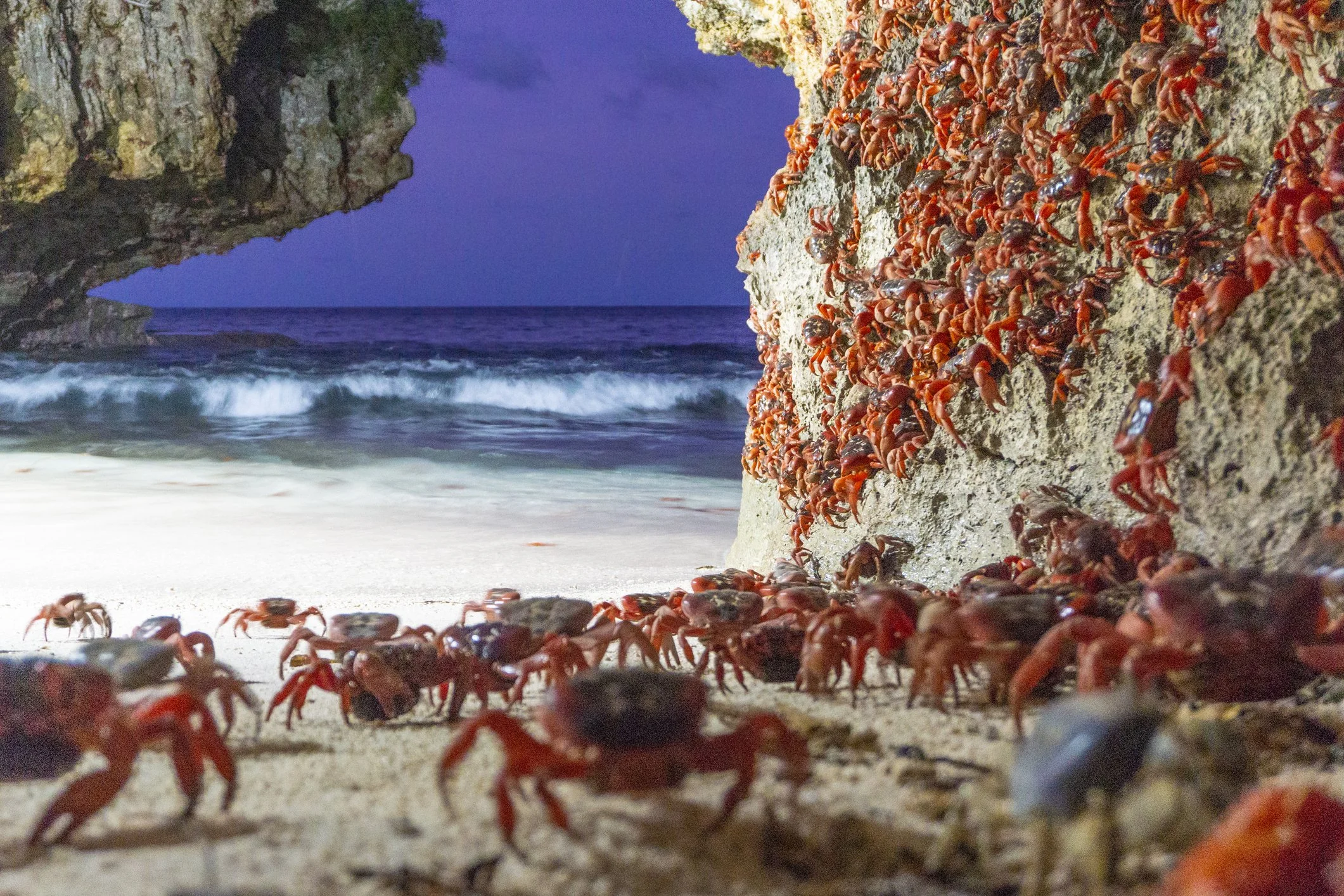
On Christmas Island in December, the first rains combine with the moon to broadcast an irresistible call to move. From their forest burrows, red crabs stir and set off across the island in unrelenting waves; following an inexorable pull to the ocean.
The migration is set off by two specific events: the first heavy rains of the wet season, and the last quarter phase of the moon. The rains usually arrive in October or November, though in some years they hold off until December or January. Until they come, the crabs stay in those burrows.
In 2026, the march began in mid-November. Spawning follows the moon, and the possible dates for this season are:
Spawning can fall a day either side of these windows, and may continue over five or six consecutive nights. If you're planning a trip now, the December and January windows are the ones to aim for.
What happens
The males leave the forest first. The roiling blanket of crabs moves in waves across roads, gardens and clifftops towards the lower terraces, where the males dig burrows. The females follow about two weeks before spawning, and mating takes place in the newly-built burrows. The males then head back to the forest, leaving the females to brood their eggs.
At dawn, on a receding high tide during the last quarter moon, female crabs line the shoreline and release up to 100,000 eggs each into the waters surrounding their island home. The larvae hatch as soon as they touch the water and are carried out to sea.
Where to see it
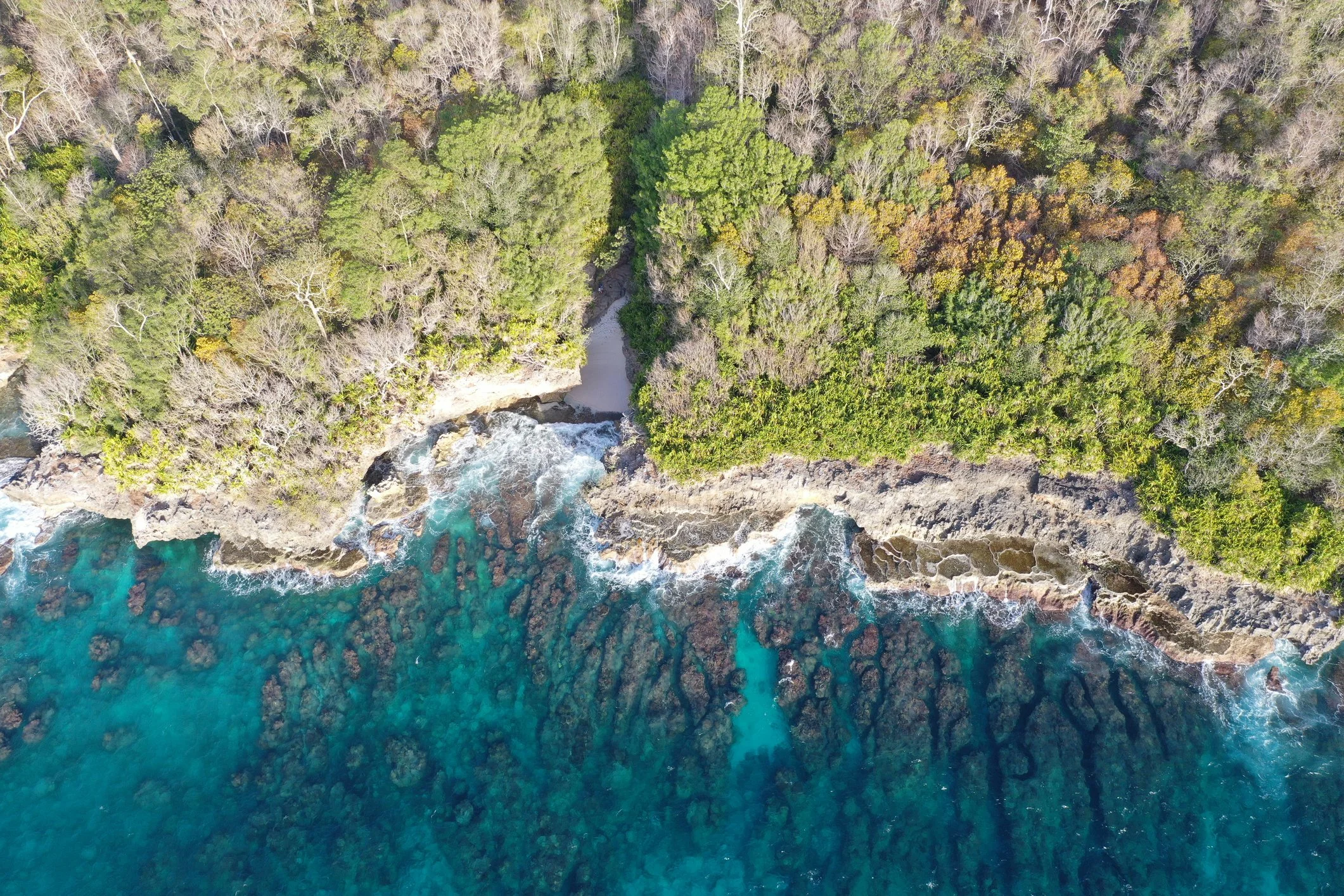
The easiest places to watch the migration and spawning are Drumsite, Flying Fish Cove, Ethel Beach and Greta Beach. You can drive to each, park, and walk carefully among the crabs.
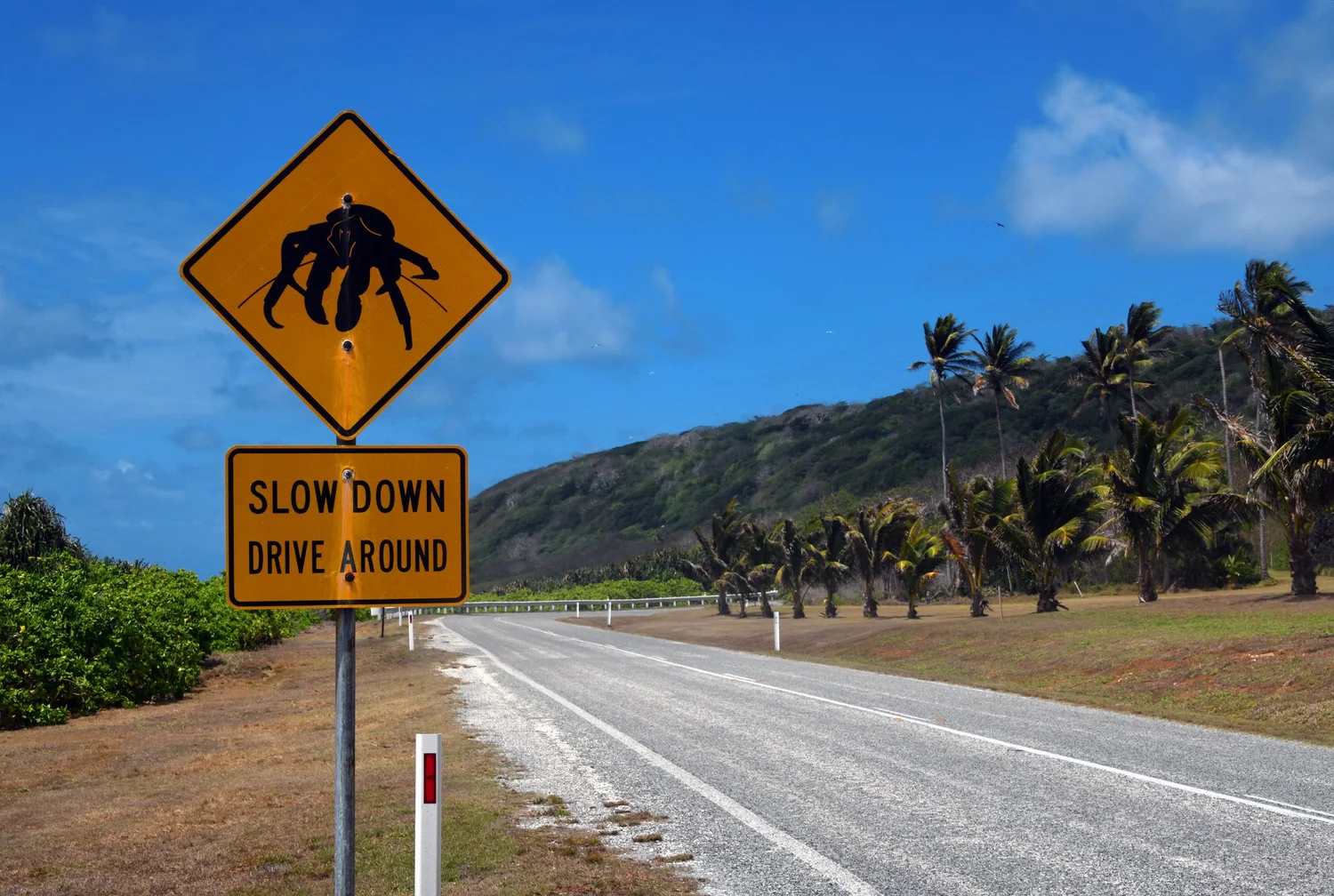
Major roads close during peak movements, sometimes at short notice, and the crabs make use of 34 overpass bridges and tunnels built to help them reach the coast safely. The crab bridge on Murray Road, south of Drumsite, is the one most visitors photograph. Follow the signs and the advice of park staff, and check the Christmas Island Road Access Board or local radio for closures each morning.
How to get to Christmas Island
Christmas Island is an Australian territory in the Indian Ocean, closer to Java than to the Australian mainland. QantasLink flies from Perth twice a week, on Mondays and Fridays, and adds extra flights around peak migration, including one on 19 December 2026. The flight takes about four hours, and departs from Perth's international terminal.
Book early. Flights, rooms and hire cars sell out months ahead of the migration, and there are only a handful of places to stay on the island.
Can't make it this year?
Parks Australia streams the migration live each season, so you can watch the spawning from anywhere. And if you're planning further ahead, Christmas Island lies in the path of the total solar eclipse on 22 July 2028 (see our eclipse guide).